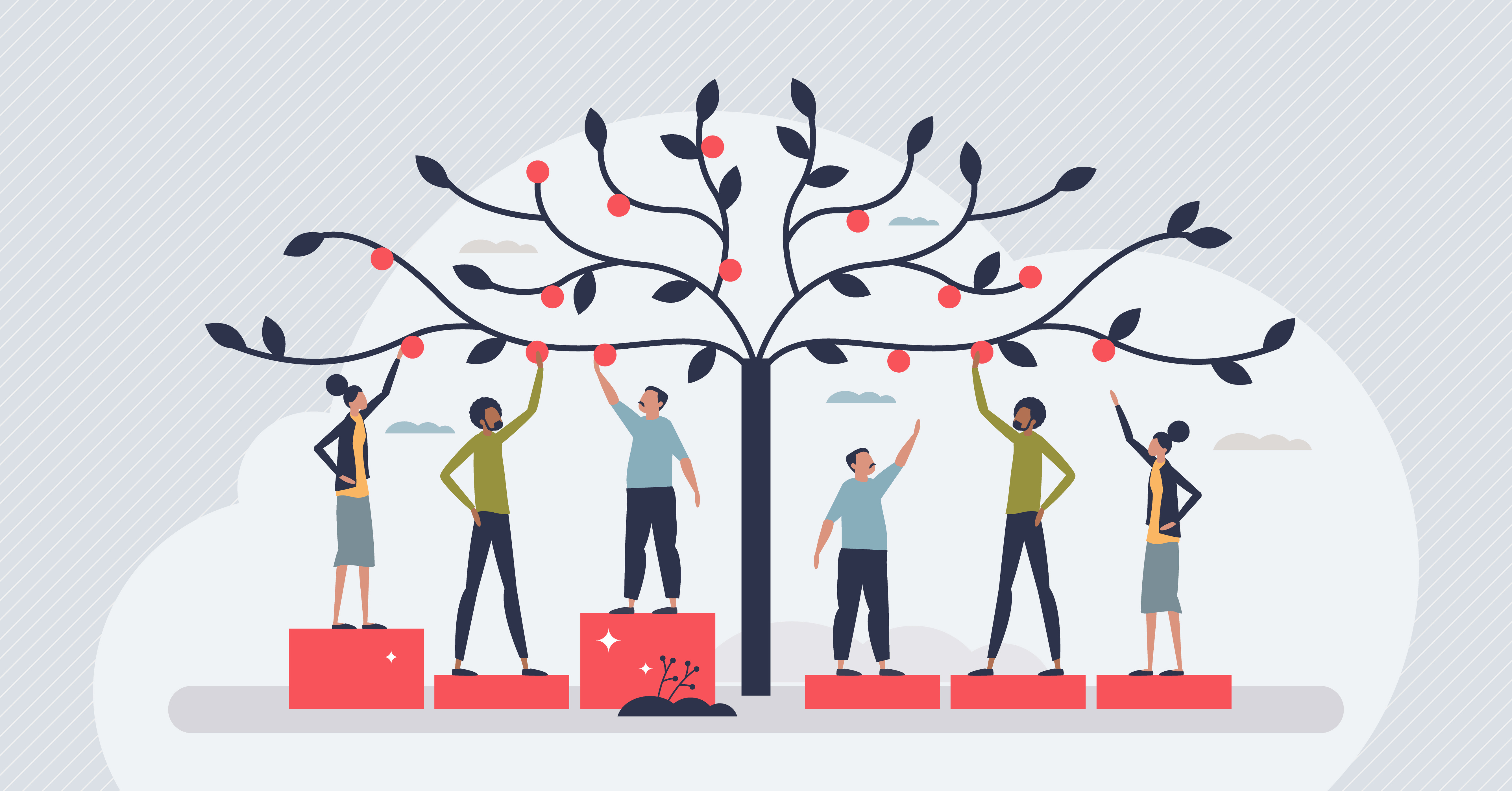
Equity in healthcare is more than a theoretical concept; it is a necessity to strive for, impacting millions of lives daily.
Whether in the context of recent health crises or longstanding systemic disparities, health equity remains central to improving public health outcomes.
The COVID-19 pandemic thrust these longstanding disparities into the national spotlight, exposing stark differences in healthcare access and outcomes across communities. Marginalized populations were more likely to serve as essential workers, face barriers to healthcare and live in overcrowded housing. These conditions made social distancing or quarantining nearly impossible. Coupled with higher rates of chronic illness, minorities were at a greater risk of severe illness or death.
This global health crisis amplified these inequities, reinforcing what public health professionals have long understood: health equity is a critical need in our populations.
In the sections that follow, we will explore the principles of health equity, examining the barriers that prevent its fruition, its impact on communities and the role public health plays in advancing health equity for all.
Defining Health Equity
Health equity refers to the fair and just distribution of resources and opportunities needed to achieve well-being, recognizing and rectifying historical and systemic inequalities. It is achieved when everyone has the opportunity to attain their full health potential and no one is disadvantaged from achieving this potential due to social position or other socially determined circumstances.
In an equitable healthcare system, care is personalized to meet the unique needs of all individuals, resulting in equitable health outcomes across diverse populations.
Health Equity vs. Health Equality: What is the Difference?
In the debate between equity and equality, the distinction in healthcare mirrors that of other sectors: it lies in how resources are allocated.
While health equality involves providing the same resources to everyone, health equity focuses on distributing resources according to the specific needs of individuals or groups to achieve fair outcomes.
A clear example of this distinction can be seen in the life expectancy gap by zip code and race in cities like New York or Chicago. While health equality would mean offering the same services to every neighborhood, health equity recognizes that some communities face systemic challenges, such as limited access to care, poor nutrition and environmental hazards. As a result, residents in low-income areas can experience life expectancies up to 20 years shorter than those in wealthier neighborhoods.
Rural Black communities further underscore this need for equity. These populations often experience the highest mortality rates as a result of compounding structural disadvantages.
Health equity seeks to correct these imbalances by tailoring support to the specific needs of underserved populations.
Barriers to Health Equity Across the Nation
While providing equitable healthcare based on individual needs seems straightforward, various challenges—from systemic barriers to social determinants—make achieving health equity complex in practice.
Healthcare Access and Quality
A significant barrier to health equity for many is limited access to quality healthcare resources, such as:
- Insurance coverage: A significant number of individuals remain uninsured or underinsured, limiting their access to necessary medical care.
- Healthcare provider shortages: 80% of rural and underserved urban areas experience a scarcity of medical care and healthcare professionals, leading to delayed or inadequate care.
- Implicit bias in medicine: Healthcare providers may unconsciously hold biases that affect the quality of care to minority communities, especially Black Americans.
- Affordable healthcare: The high cost of healthcare services and prescriptions can prevent low-income individuals from seeking or continuing care, further exacerbating health disparities. Data shows that health spending has tripled in the U.S. in the past two decades.
- Transportation Issues: Lack of reliable transportation to healthcare facilities, especially in rural or underserved urban areas, can prevent individuals from seeking care. Barriers to transportation can result in missed healthcare appointments and delays in receiving necessary interventions.
- Health Literacy: Low health literacy prevents individuals from understanding their healthcare needs, navigating the system and following medical advice effectively. Limited health literacy is associated with poor health outcomes, including higher rates of hospitalization and lower participation in preventive care.
- Cultural and Language Barriers: Non-English-speaking communities or those with cultural differences may face additional challenges in accessing quality healthcare. Language barriers can reduce access to care, delay treatment and lead to miscommunications.
While bridging the gap in healthcare access is critical, a full picture of health equity requires examining the social conditions that shape daily life.
Social Determinants of Health
Social determinants of health are structural and social conditions that shape an individual’s well-being and are a primary factor behind why health equity remains difficult to achieve.
Health is influenced not only by genetics or clinical care, but by broader social and environmental factors, such as:
- Income: Lower income levels are associated with reduced access to healthcare services, treatments and healthy lifestyle options.
- Education: Education influences health literacy and the ability to navigate healthcare systems effectively.
- Housing and environment: Substandard housing, lack of affordable housing, pollution, exposure to pollution, lack of green spaces and unsafe neighborhoods impact physical and mental health.
- Food insecurity: Limited access to affordable, nutritious food leads to chronic health issues.
These factors often intersect and compound, creating deeper barriers to health equity across generations.
Communities Most Affected by Health Disparities
As previously mentioned, communities that face the most health disparities are often racial and ethnic minorities, rural populations and lower-income communities.
- Racial and ethnic minorities: Historically marginalized groups often experience higher rates of chronic diseases and lower life expectancy due to systemic racism and discrimination. For example, Black Americans are disproportionately affected by hypertension, with approximately 55% of the population experiencing high blood pressure. A key factor behind this high rate is not only the lack of equitable access to treatment, but also a mistrust of the medical system shaped by generations of discrimination.
- Rural populations: Residents in rural areas face geographic isolation, limited healthcare facilities and economic disadvantages, contributing to health disparities. In fact, research published by the USDA Economic Research Service found that mortality rates from natural causes increased in rural areas among adults aged 25–64, highlighting how geographic and economic barriers in rural communities are directly linked to worse health outcomes.
- Lower-income communities: Economic constraints can limit access to nutritious food, safe housing and preventive healthcare services. Food insecurity affects approximately 50-60% more Black, Latinx, Asian and Native American households than White households.
Addressing these health disparities requires a multi-faceted approach with targeted interventions that overcome systemic barriers and underlying social determinants affecting these communities.
The Role of Health Equity in Public Health
As these challenges intensify, the urgency for solutions increases. This brings us to the role of public health—the intervention that bridges reality and equity.
The Power of Public Health Research
Public health research provides evidence-based insight into health trends, outcomes and disparities.
It involves data collection and research analysis to inform policy changes and targeted interventions that address a community's evolving needs. Through this research, health professionals can advance health equity by informing policies that ensure that interventions implemented are data-driven and proven to impact vulnerable populations significantly.
Driving Change Through Health Policy and Advocacy
Health policies are another powerful lever of change within public health.
Over the years, numerous policies have advanced health equity and improved access to care for underserved populations. One such example is Medicaid, a program that has expanded healthcare access to millions of low-income individuals, providing coverage for essential services and reducing disparities in healthcare access. Similarly, the Affordable Care Act (ACA) has extended health insurance coverage to millions of previously uninsured Americans.
At the national level, organizations like The Commonwealth Fund have been instrumental in shaping policies that promote healthcare access and equity. Through research, they advocate for policies that strengthen healthcare systems and address disparities in access and outcomes.
Effective health policy and advocacy efforts can create lasting, systemic changes that ensure all communities, regardless of their socioeconomic status, race or geographic location, have access to the healthcare they need to flourish.
Driving Change Through Health Policy and Advocacy
Community-driven solutions are also a key component of advancing health equity.
Partnerships between local communities and researchers often lead to more effective public health initiatives. Organizations like the Robert Wood Johnson Foundation (RWJF) have successfully worked with local communities to bridge health gaps, funding research, creating public health initiatives and accumulating evidence to back health equity programs that directly address the needs of marginalized populations.
On an individual level, anyone passionate about health equity can make a meaningful impact with the right training and resources. For those looking to make a difference, exploring health policy and management careers is a powerful way to contribute. Public health professionals who specialize in health policy and management can drive large-scale changes that positively affect communities.
To make a difference, the first step is investing in an education that empowers action.
Study Health Equity and Public Health at Columbia University
If you aspire to influence policy, lead community programs or conduct groundbreaking research, earning a Master of Public Health (MPH) or a Master of Health Administration (MHA) will equip you to make a lasting impact.
At Columbia University Mailman School of Public Health, our school is grounded in the mission that health is a human right and the vision of building a healthy and just world.
Columbia Mailman School’s commitment to advancing public health is reflected in its innovative programs, world-class faculty and interdisciplinary approach that prepares students to take on today’s most pressing health challenges. Columbia Mailman remains at the forefront of shaping health policies and improving health outcomes across communities through innovative research and collaborations with global healthcare innovators.
Located in New York City, a global hub for healthcare innovation, students have access to hands-on learning opportunities in dynamic and diverse healthcare environments. From environmental health sciences to epidemiology, the School offers various degree focus areas that prepare students for impactful careers in niche sectors of the field. In addition, students have access to lifelong career services, ensuring they are supported in their professional work long after graduation.
Are you ready to build a healthier, more just world? Learn more about the degree programs offered at Columbia Mailman in our guide: Choosing Your Path in Public Health Education: A Guide to Master's Degrees at Columbia University Mailman School of Public Health.