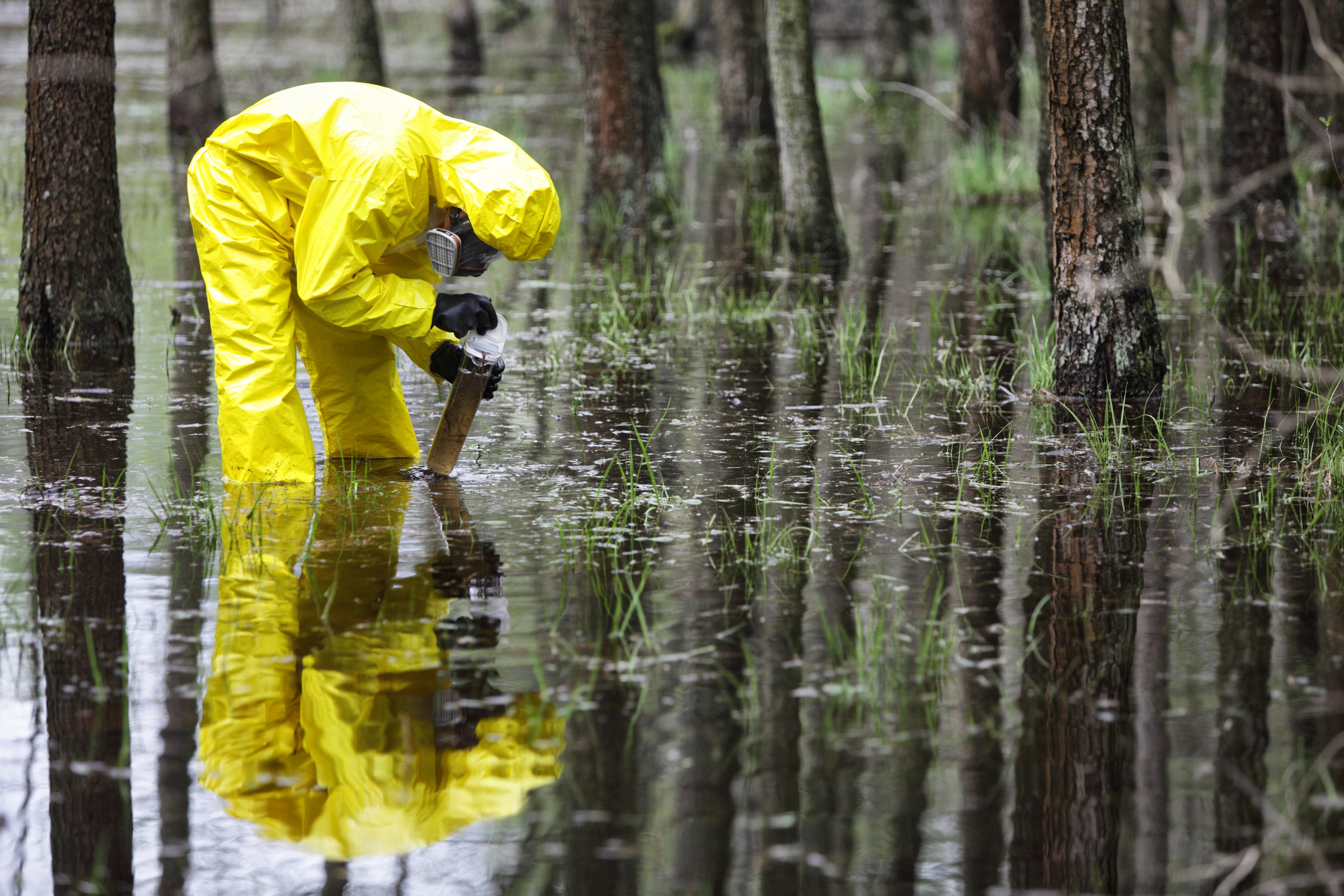
The 21st century has been marked by an abundance of change, and among one of the most notable is our changing climate. A defining issue of our time, climate change has had extensive impacts on public health and the environment.
As this global development persists, society grapples to understand the best course of action to prevent further damage and the role of environmental health science in addressing the consequential health impacts. With climate change occurring so rapidly, environmental health science leads us to consider what the future will look like.
What is Environmental Health Science?
Environmental health science is an interdisciplinary field that examines how environmental factors affect human health and well-being. It bridges public health, environmental studies, and scientific research to understand and mitigate risks posed by pollutants, hazardous substances, and changing ecosystems. By studying the relationship between environmental exposures and health outcomes, this field seeks to prevent disease, improve quality of life, and promote a more sustainable world.
At its core, environmental health science focuses on several critical areas, including:
- Air and Water Quality – Poor air quality has been linked to respiratory and cardiovascular diseases, while unsafe drinking water remains a leading cause of illness and the spread of infectious diseases in many regions. Air pollution alone has been associated with 6.7 million premature deaths annually.
- Chemical Exposure – Everyday exposure to chemicals in consumer products, industrial waste and pesticides can lead to long-term health consequences, including endocrine disruption, neurological effects and cancer. Regulations like the U.S. Toxic Substances Control Act (TSCA) aim to manage risks, but ongoing research is needed to fully understand the effects of emerging contaminants.
- Occupational Health – Workers in industries such as agriculture, construction and manufacturing are often exposed to hazardous materials and unsafe conditions. Inhalation exposures to toxic substances contribute to approximately 70% of all occupational disease deaths, including respiratory diseases and cancers.
- Climate Change and Environmental Risks – Rising global temperatures intensify environmental hazards such as heat-related illnesses, vector-borne diseases and extreme weather events. Climate change is expected to exacerbate health disparities, disproportionately affecting vulnerable communities.
Within the realm of its impacts, environmental health science addresses immediate and long-term health challenges. It provides data-driven solutions to prevent environmental threats and shapes policies that protect public health for future generations. Today, as climate change amplifies environmental risks, it likewise magnifies the relevancy of this growing field.
By advancing research, implementing sustainable practices and fostering global cooperation, environmental health scientists contribute to a healthier and more resilient society.
The Evolving Role of Environmental Health Science in Public Health and Climate Change
As global temperatures rise and extreme weather events become more frequent, the public health implications of climate change are increasingly evident. Recent disasters, such as the devastating wildfires in California near Los Angeles, have led to hazardous air pollution levels, exacerbating respiratory illnesses. Similarly, Hurricane Helene and other severe storms have caused widespread flooding, promoting the spread of waterborne diseases and displacing communities. These events reflect a growing trend that demands a science-driven response.
The public health impacts of climate change are far-reaching. Heat-related illnesses, like heat exhaustion and heatstroke, are becoming more common as temperatures climb. Warmer climates also facilitate the spread of vector-borne diseases, such as malaria and Lyme disease, as mosquitoes and ticks expand into new regions. In addition to physical health, the mental health crisis is escalating. Displacement from extreme weather, anxiety over climate change and the loss of homes and livelihoods are likely to contribute to higher rates of depression, PTSD, and other mental health conditions.
In response to these challenges, research priorities in environmental health science are evolving, such as the implementation of predictive modeling, which assesses future health risks, enables better preparedness and response strategies. Meanwhile, policymakers and scientists are focusing on developing climate-resilient communities and infrastructure to withstand extreme weather while minimizing health hazards. Advancing these policies for sustainable environmental practices have the ability to reduce long-term risks and prevent further damage.
Moreover, technology and innovation are shaping the future of environmental health science. Emerging tools, such as artificial intelligence (AI), allow for predictive analysis, enabling researchers to anticipate disease outbreaks and environmental risks with greater precision. Wearable sensors that monitor air quality and exposure to pollutants are becoming more advanced, empowering individuals and healthcare professionals to track environmental health in real time.
Ultimately, interdisciplinary research is key to creating scalable solutions. Collaboration between environmental scientists, public health experts, urban planners, engineers, and policymakers is essential for developing holistic strategies that address environmental challenges at local, national, and global levels. By integrating data-driven science with innovative technology and sustainable policy development, environmental health science can continue to safeguard public health in an era of climate uncertainty.
The Skills Needed for Tomorrow’s Environmental Health Specialists
To tackle these growing challenges, tomorrow’s environmental health specialists will require expertise in data science, epidemiology, toxicology and a deep understanding of climate science and policy frameworks.
A foundation in data science prepares specialists for the use of data analysis to assess risks and predict health threats. Meanwhile, expertise in epidemiology helps track disease spread, identify trends and assess the links between environmental exposures and health. The necessary addition of knowledge in toxicology helps in evaluating effects of hazardous substances on human health.
In addition to these expert subjects, professionals will require a strong understanding of climate science to grasp global environmental changes and their profound impact on health. Familiarity with policy frameworks is important for implementing sustainable practices, pushing for stronger regulations and collaborating with policymakers.
Well-equipped programs that prepare students to address both local and global challenges in a variety of areas will be critical in fostering the necessary skills and knowledge to tackle issues such as pollution, climate-related diseases and consequent mental health crises.
Jumpstart Your Career Opportunities in Environmental Health Science at Columbia University
Columbia University Mailman School of Public Health’s Environmental Health Sciences (EHS) department is a pioneering institution in the field, with a global reputation for excellence in research and education. The EHS department is dedicated to advancing public health through innovative solutions to environmental challenges.
Students pursuing a Master of Public Health (MPH) or Master of Science (MS) in Environmental Health Sciences benefit from a curriculum designed to prepare them for the complexities of the changing climate. MPH students can explore a range of topics, including biological mechanisms, environmental health, data analysis, epidemiology, molecular epidemiology, risk assessment, occupational hazards and policy analysis. MS EHS students can specialize by choosing concentrations in Toxicology or Environmental Health Data Science, equipping them for scientifically focused careers in government, non-profits, pharmaceuticals and academia.
The curriculum is designed not only to provide strong academic foundations, but also to prepare students for real-world challenges and provide them with skills that can be transferable to any field.
For those passionate about making a measurable impact in public health, the Columbia Mailman School offers the tools, resources, and expertise to shape meaningful careers across various sectors of environmental health science. Explore our resource, Choosing Your Path in Public Health Education: A Guide to Master's Degrees at Columbia University Mailman School of Public Health.
Explore the programs at EHS Columbia Mailman to learn how you can contribute to solving the most pressing environmental health challenges of our time.